Physical Therapy for Post-Operative Recovery: What to Expect
Recovering from surgery doesn’t end in the operating room. Physical therapy plays a crucial role in restoring mobility, managing pain, rebuilding strength, and helping patients return to everyday activities. Discover what to expect during post-operative physical therapy and how a personalized rehabilitation plan supports safe, effective recovery.
Jason Lamendola PT
11/3/20252 min read
Physical Therapy for Post-Operative Recovery: What to Expect
Introduction
If you have an upcoming surgery—especially an orthopedic procedure—you’ll likely be advised to begin physical therapy afterward. Post-operative physical therapy is essential for restoring mobility, rebuilding strength, reducing pain, and helping you return to your normal activities. Depending on the type of surgery, full rehabilitation may take several months, but knowing what to expect can make the process smoother and more successful.
Below is a clear breakdown of what post-operative physical therapy involves and how it supports recovery.
Personalized Treatment
Post-operative physical therapy is highly individualized. Before creating a treatment plan, your physical therapist will complete a thorough assessment to understand:
The details of your surgery
Restrictions or precautions from your surgeon
Your current mobility, strength, and pain levels
Your pre-surgery fitness and overall health
This information allows your therapist to design a tailored program that supports your specific recovery needs, goals, and safety guidelines.
Pain Management
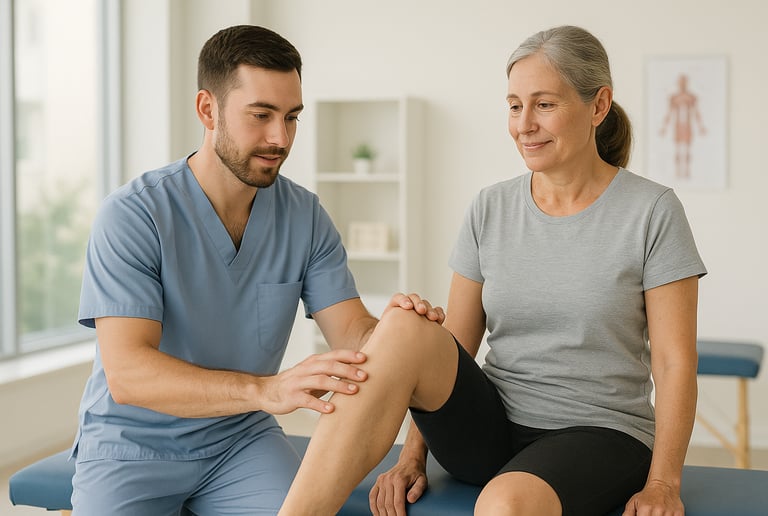
Managing post-surgical pain is one of the first priorities in rehabilitation. Physical therapists use targeted exercises and therapeutic techniques such as:
Soft tissue and joint mobilization
Heat or cold therapy
Electrical stimulation
Ultrasound therapy
These techniques help reduce pain, control swelling, increase circulation, prevent complications, and accelerate healing—allowing you to move more comfortably and regain independence sooner.
Range of Motion Restoration
Surgery can temporarily reduce mobility in the affected joints and surrounding muscles. To restore flexibility and motion, therapists guide patients through gentle, safe stretching and specific range-of-motion exercises. These movements help prevent stiffness, reduce scar tissue formation, and restore natural joint movement.
Restoration of Functional Abilities
A key goal of post-operative physical therapy is to help patients return to daily activities such as:
Walking
Lifting
Climbing stairs
Bending
Completing household tasks
Your therapist will incorporate exercises that mimic real-life movements and target the functional tasks you need most. This ensures you can safely transition back to routines that may have been affected by surgery.
Strengthening Muscles
Recovery after surgery often involves periods of reduced activity, which can weaken muscles. Physical therapists address this through:
Resistance band training
Bodyweight strengthening
Light weight training
Core and stability exercises
Strengthening the muscles that support your surgical site helps restore stability, improve mobility, and reduce the risk of reinjury. Your program will progress gradually as you regain strength.
Balance and Coordination Training
Surgery and prolonged immobility can impact balance, posture, and coordination. PT includes exercises to help retrain these vital skills through:
Dynamic balance exercises
Stability training
Postural correction
Functional movement drills
Improving balance and coordination enhances overall mobility, reduces fall risk, and supports safe, confident movement.
Education and Self-Management
Education is an essential part of post-operative recovery. Physical therapists teach patients:
How their surgery affects movement
Safe ways to move, lift, and perform daily tasks
Proper posture and body mechanics
How long recovery is expected to take
Which exercises to perform at home
How to avoid reinjury
This guidance empowers patients to take an active role in their rehabilitation and make informed decisions throughout recovery.
Final Thoughts
Physical therapy is a crucial component of post-surgical recovery. With a personalized treatment plan, consistent sessions, and guidance from a trained therapist, patients can relieve pain, restore strength, improve mobility, and regain independence.
At TLC Physical Therapy, our specialists create customized rehabilitation plans designed to support safe, effective healing from day one. Your recovery journey matters—and we’re here to help every step of the way.